Progress over time
AI maps tau tangles from quicker human annotations
Researchers trained an open system to outline tau tangles in post-mortem brain tissue after experts marked them with single points. It may speed up pathology research, but it is not a test for diagnosing Alzheimer’s disease in living people.
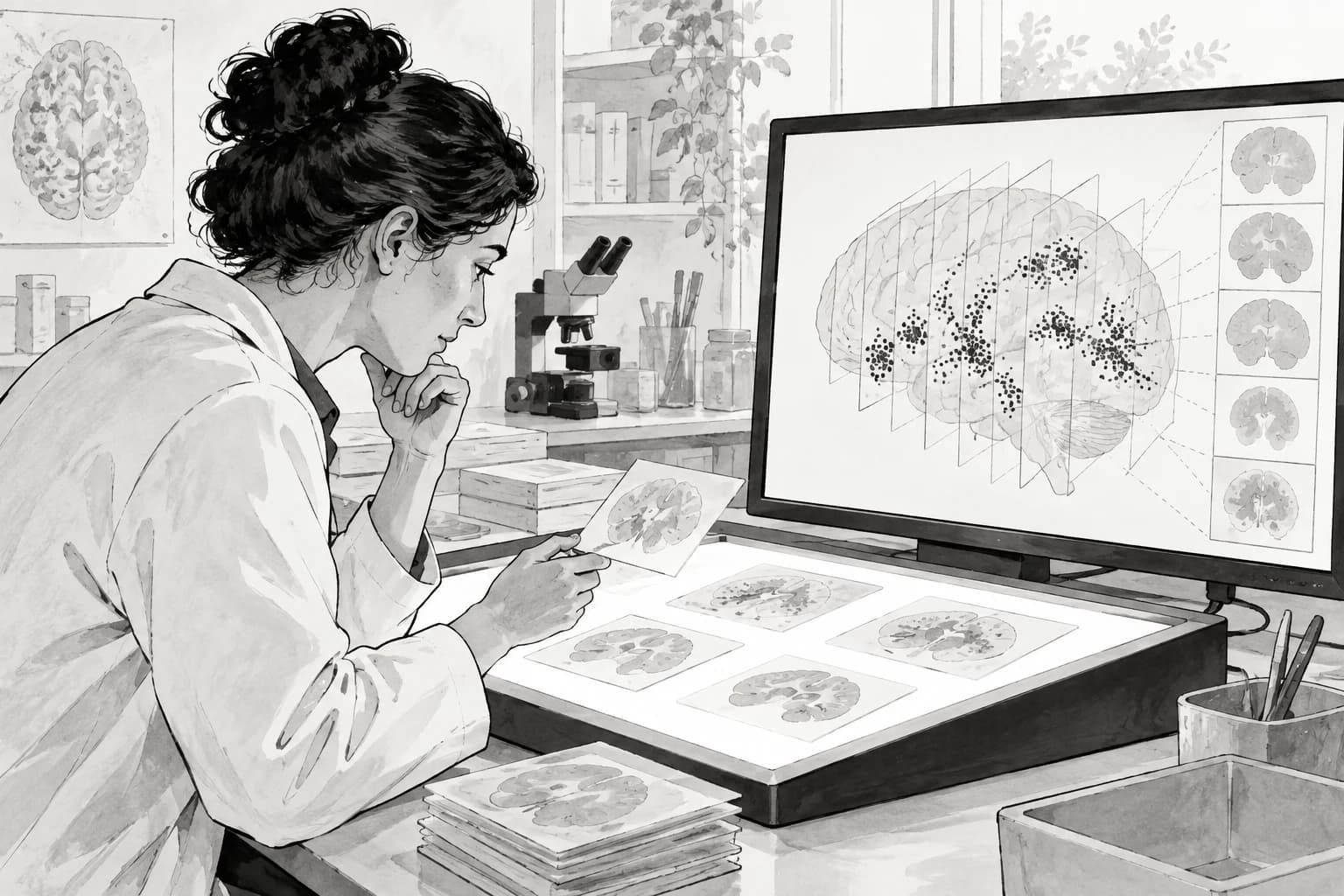
Albarghouthi and colleagues · Scientific Reports · August 28, 2026
Research claim
AI looks for autism screening signals in short home videos
A study in South Korea found that AI could distinguish behavioral patterns in brief family interactions. Whether it can help in everyday care remains unproven.
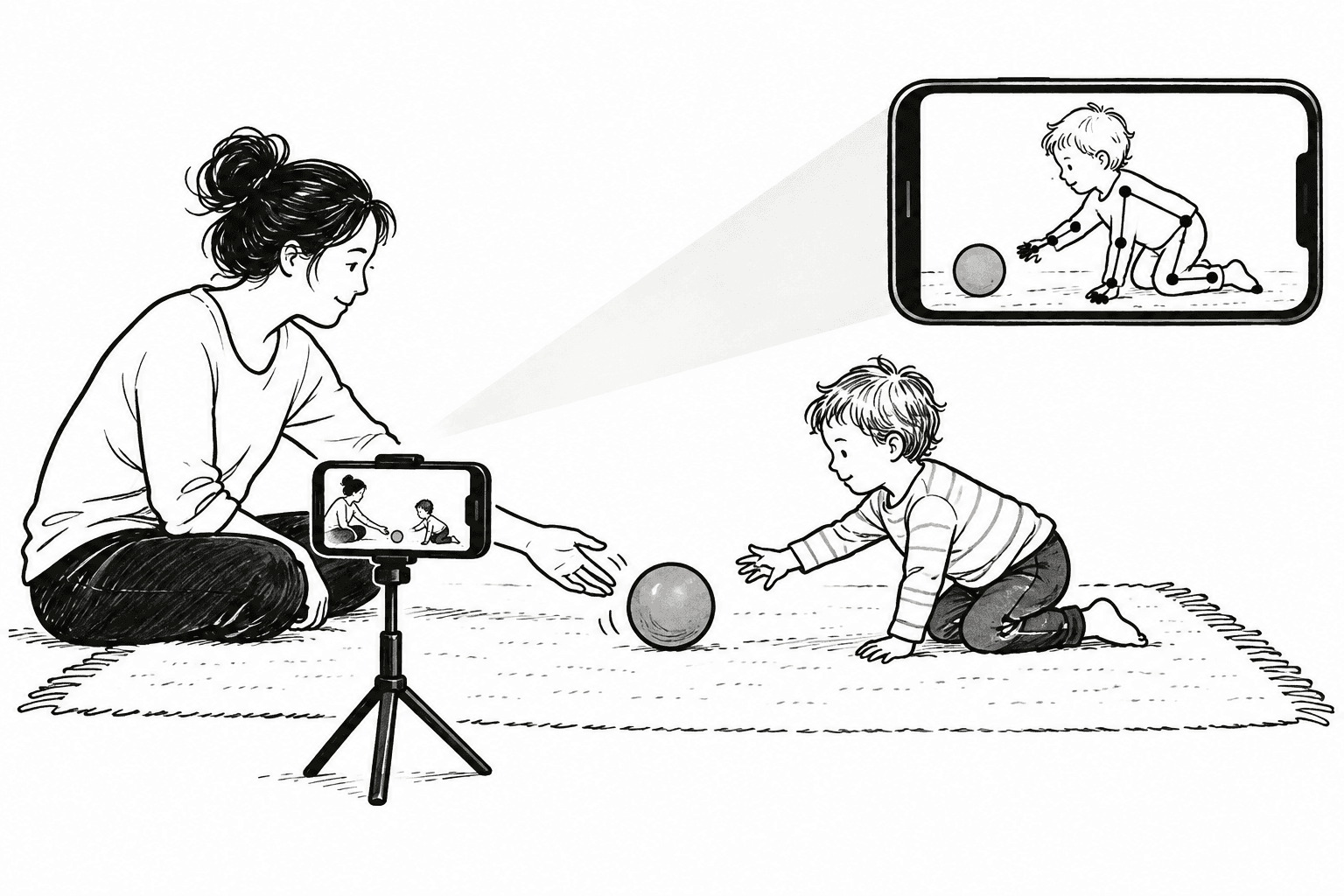
Kim and colleagues · npj Digital Medicine · October 10, 2025
Research claim
One blood sample can reveal different patterns of aging across body systems
Researchers trained models to estimate aging signals for 11 physiological systems from DNA methylation in blood. The scores tracked several age-related conditions, but they are research measures, not a clinical diagnosis or a guide to treatment.
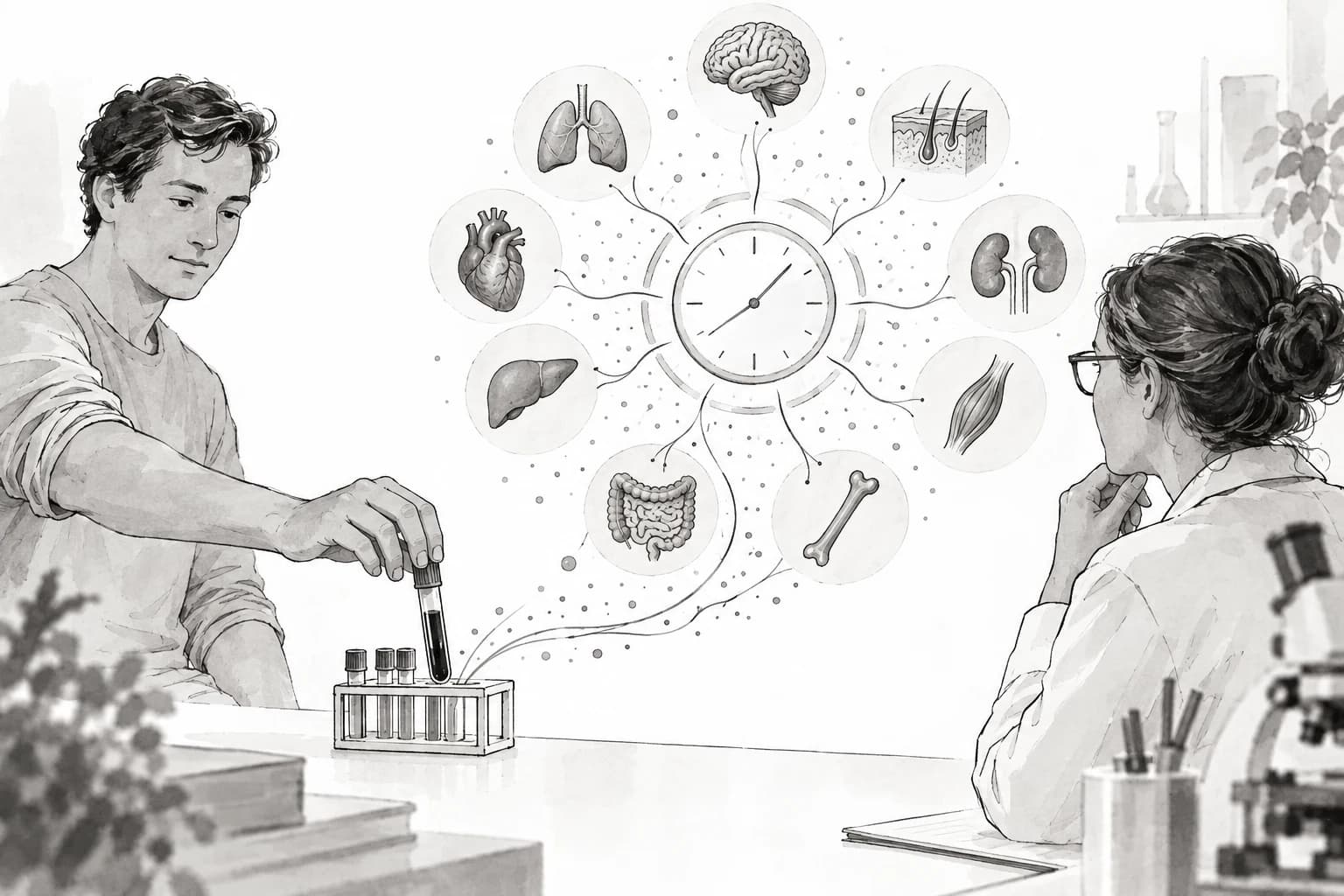
Seale and colleagues · Nature Aging · September 15, 2025
Research claim
AI helps doctors revisit where a difficult tumor began
A system used during tumor profiling suggested a different tissue of origin for a small share of cases. Doctors checked those suggestions against pathology, imaging and other evidence before changing a diagnosis.
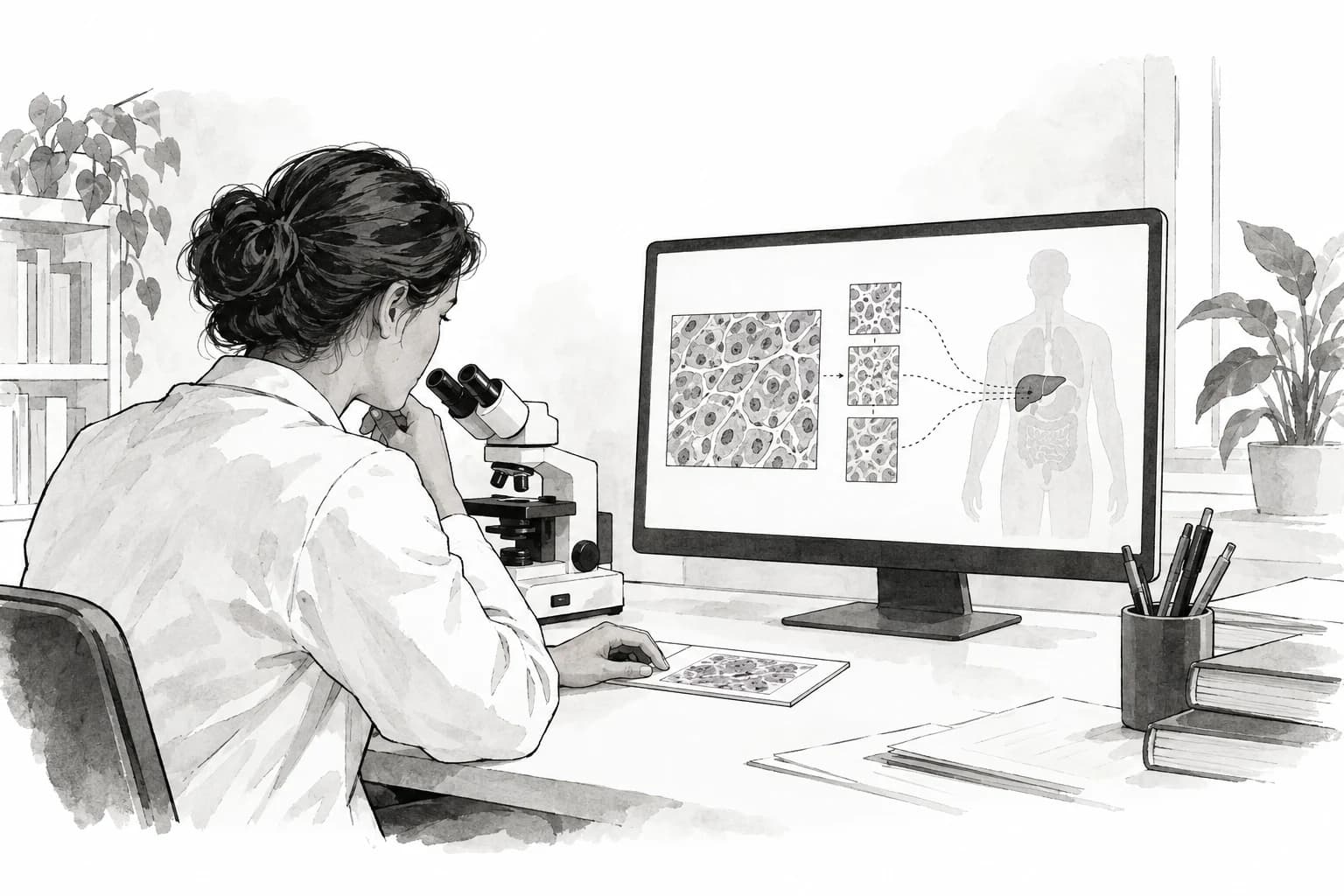
Ghani and colleagues · Cancer Research Communications · September 1, 2025
Operational evaluation
AI-designed molecules survived a first laboratory test against a tuberculosis target
A chemical language model proposed molecules for a tuberculosis protein, and laboratory tests found 14 generated or closely related compounds that inhibited the target. They are early research hits, not medicines, and their safety and activity in living systems remain unknown.
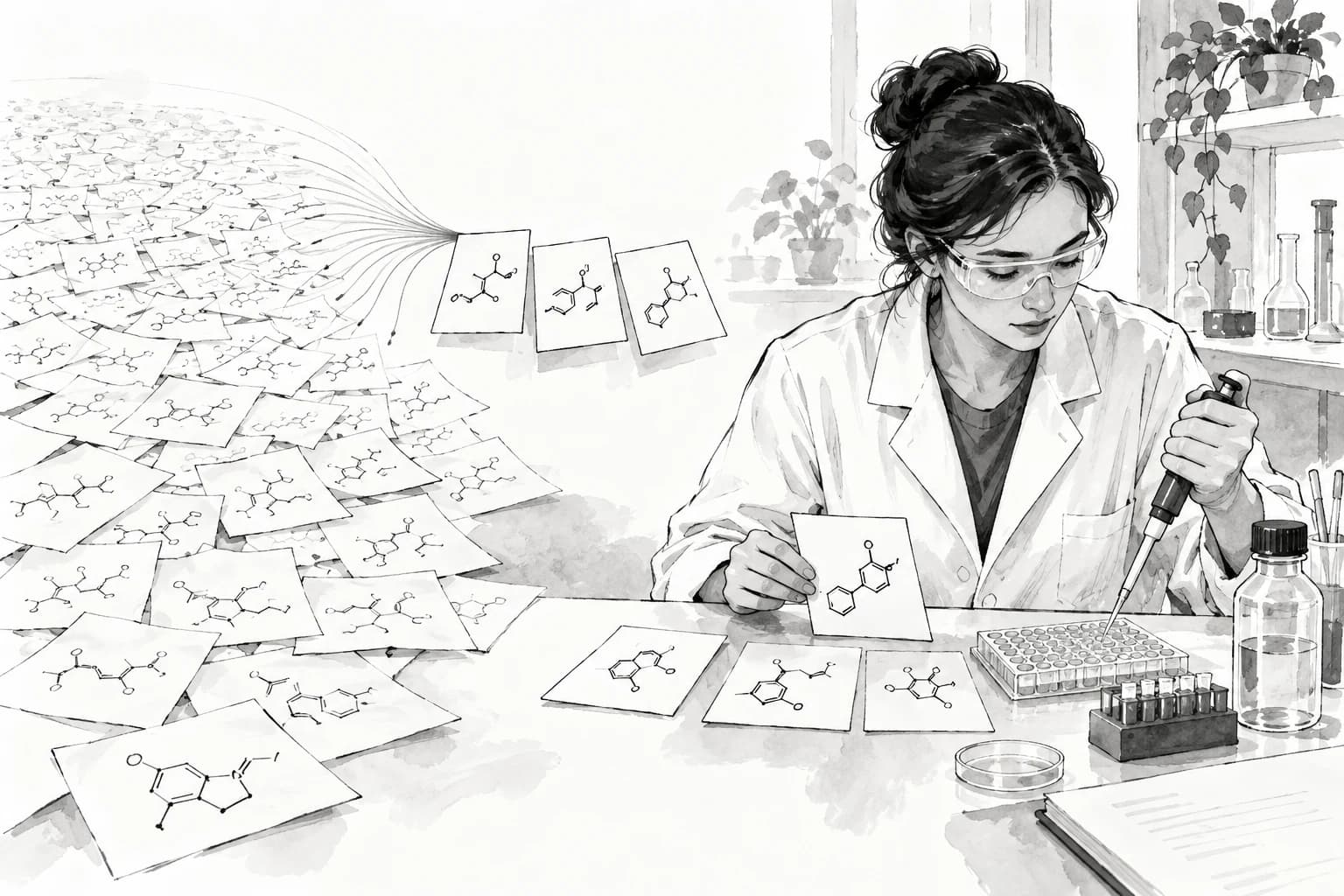
Wu and colleagues · Nature Communications · October 29, 2024
Independent validation
A tablet app measures behavior during routine pediatric visits
SenseToKnow combined computer vision and machine learning in a prospective study of 475 toddlers. The results suggest a possible screening aid, with independent evaluation still needed.
Duke University
Research claim
6 of 6 results. End of results.